CLEI invites papers reporting results of a theoretical and/or practical nature that advance the state of the art or present relevant applications or cases in the areas of interest of the symposia and associated events. CLEI LI will take place in Valparaiso, Chile as Event XXX 2025, which is composed of 5 tracks, 6 associated events and 2 parallel events.
The Latin American Conference on Informatics (CLEI) is an annual event organized by the Latin American Center for Informatics Studies, and has been held since 1974, itinerantly throughout Latin American countries.CLEI is the most important Latin American space for the exchange of ideas, experiences and research results among researchers, professionals, teachers and students of Computer Science and Informatics, as well as their technological applications. Its objective is the exchange of ideas, experiences and research results in areas of interest to the community, through conferences, workshops, tutorials and panels.
Event Multimedia Records
Click here.
General Program
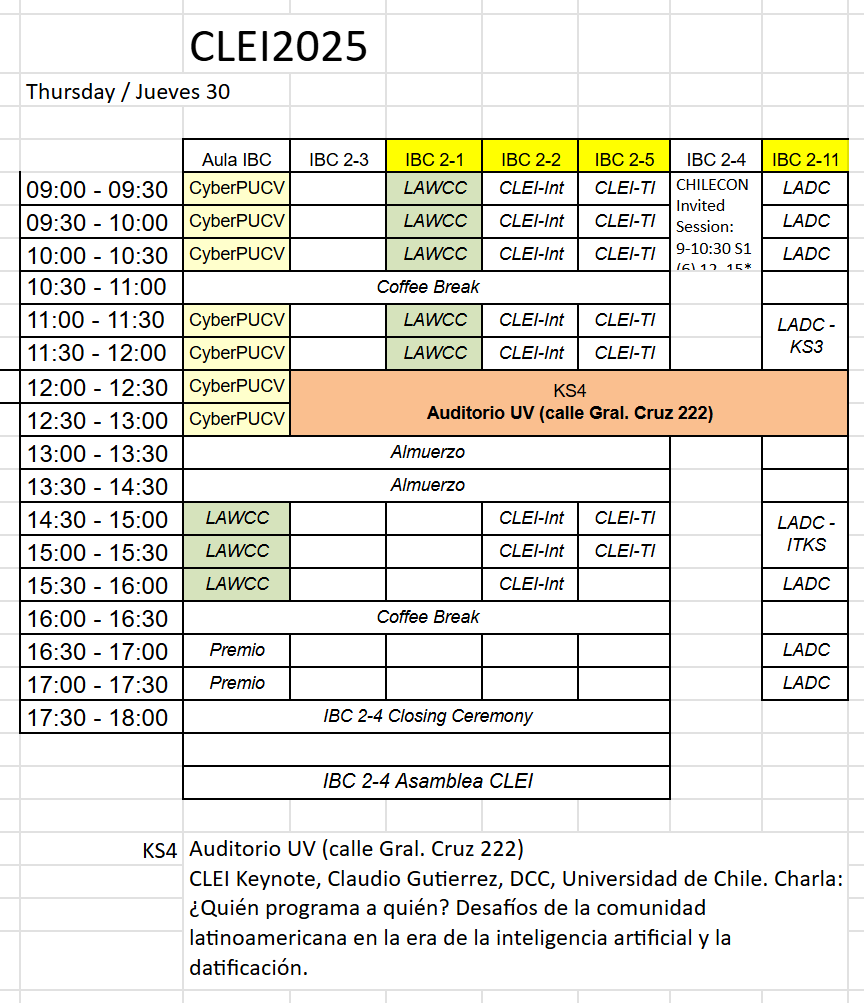
Download de detailed program for the 5 CLEI tracks here
Keynote Speakers
Ana Belén Ruiz
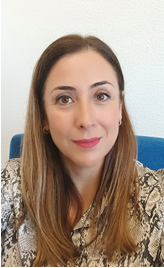
Universidad de Málaga, Spain
Ana Belén Ruiz Mora (Ana B. Ruiz) is a Lecturer at the Department of Applied Economics (Mathematics), of the University of Málaga (Spain), where she has developed her career since 2009. She holds a BA and MSc degrees in Mathematics (2006 and 2007, respectively) from the University of Malaga. In 2012, she received her PhD in Mathematics also at the University of Málaga, and her doctoral thesis was recognized with the PhD Extraordinary Award of the Doctoral Program in Economics and Business, in 2012-2013. She is a researcher in the field of Operations Research, more specifically, in Multiobjective Optimization and Multiple Criteria Decision Making. Indeed, her research interests mainly focus on the study, analysis, development, and application of interactive methods for solving multiobjective optimization problems. Most of the methods she has proposed and studied are based on reference points, and they are based on evolutionary algorithms for multiobjective optimization. Furthermore, Ana B. Ruiz has applied these methodologies to solve real-life problems arising in different fields, such as the economics of education, portfolio selection, sustainable development, or engineering. She has made several research visits to the University of Jyvaskyla (Finland) to collaborate with well-recognized international researchers, such as Prof. Kaisa Miettinen, where she has given several seminar talks.
Speech: Metaheristics for Multiobjective Optimization: Introducing the Decision Maker in the Process
Gabriel A. Wainer
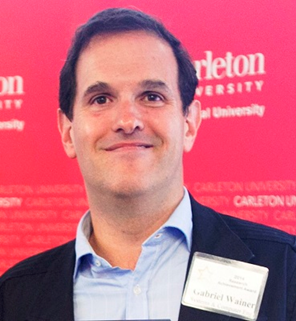
University of Carleton, Canada
Gabriel A. Wainer, FSCS, received the M.Sc. (1993) at the University of Buenos Aires, Argentina, and the Ph.D. (1998, with highest honors) at UBA/Université d’Aix-Marseille III, France. In July 2000, he joined the Department of Systems and Computer Engineering at Carleton University (Ottawa, ON, Canada), where he is now Full Professor. He has held visiting positions at the University of Arizona; LSIS (CNRS), Université Paul Cézanne, University of Nice, INRIA Sophia-Antipolis, Université de Bordeaux (France); UCM, UPM, UPC (Spain), University of Buenos Aires, National University of Rosario (Argentina) and others. He is one of the founders of the SCS/ACM/IEEE Symposium on Theory of Modeling and Simulation, SIMUTools and SCS/ACM/IEEE SimAUD. Prof. Wainer was Vice President Conferences and Vice-President Publications and is a member of the Board of Directors of the SCS, Society for Modeling and Simulation International. He has published over 400 research articles and five books in the field of Modeling and Simulation. Prof. Wainer is Editor in Chief of SIMULATION, member of the Editorial Board of Journal of Simulation (Taylor and Francis) IEEE Computing in Science and Engineering, Wireless Networks (Elsevier), Journal of Defense Modeling and Simulation (SCS). He is the head of the Advanced Real-Time Simulation lab, located at Carleton University’s Centre for advanced Simulation and Visualization (V-Sim). He helped organizing over 150 conferences including ACM SIGSIM PADS and Winter Simulation Conference (co-sponsored by ACM). He has been the recipient of various awards, including the IBM Eclipse Innovation, SCS Leadership, and various Best Papers. He has been awarded Carleton University’s Research Achievement Award (2005, 2014), the SCS Outstanding Professional Award (2011), Carleton University’s Mentorship Award (2013), the SCS Distinguished Professional Award (2013), the SCS Distinguished Service Award (2015), Nepean’s Canada 150th Anniversary Medal (2017), ACM Recognition of Service Award (2018), IEEE Outstanding Engineering Award (Ottawa Section – 2019). He is a Fellow of SCS.
Speech: Simulation Everywhere
Claudio Gutierrez
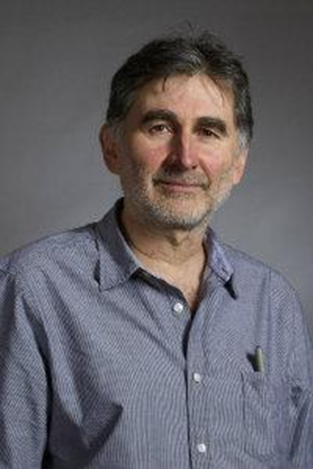
DCC, Universidad de Chile, and Senior Researcher at Instituto Milenio Fundamento de los Datos (IMFD).
Claudio Gutiérrez is a Professor in the Department of Computer Science at the University of Chile and a Senior Researcher at the Millennium Institute for Foundations of Data (IMFD). He holds a Bachelor’s degree in Mathematics, a Master’s degree in Mathematical Logic, a Doctorate in Computer Science, and a Master’s degree in History. He has published extensively in the areas of databases, semantic web languages, and data and knowledge interoperability, edited three books, and received Test of Time awards for articles in PODS and ISWC. He is currently researching knowledge graphs and the foundations of data and the digital world.
Speech: ¿Quién programa a quién? Desafíos de la comunidad latinoamericana en la era de la inteligencia artificial y la datificación.
Ricardo Baeza-Yates
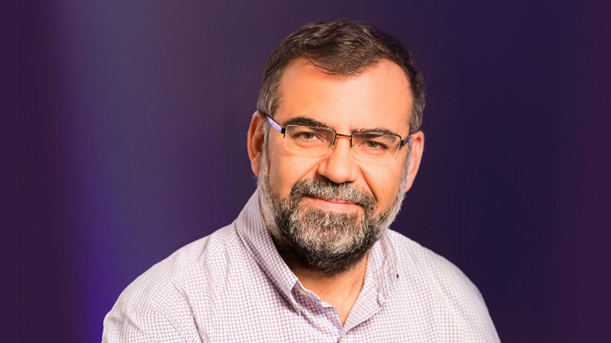
KTH, Sweden; UPF, Spain; U. de Chile
Ricardo Baeza-Yates is a part-time WASP Professor at KTH, the Royal Swedish Institute of Technology (Stockholm), Pompeu Fabra University (Barcelona), and the University of Chile (Santiago). From 2021 to 2025, he was Research Director of the Experiential AI Institute at Northeastern University in Silicon Valley. He founded Yahoo Labs in Barcelona and Santiago in 2006, where he was Vice President of Research until 2016 in Sunnyvale, California. He has been recognized with national awards in Chile (government) and Spain (SCIA & BBVA), in addition to other awards from the OAS, the Chilean Institute of Engineers, the Chilean and Catalan Engineering Associations, and his peers, who named him ACM and IEEE Fellow. He is a founding member of the Chilean Academy of Engineering and a full member of the Chilean Academy of Sciences and a corresponding member of the Brazilian Academy of Sciences. His current main interests are responsible AI and data science in general.
Speech: Human-AI Co-Evolution
Summary: Human-AI co-evolution, defined as a process in which humans and AI algorithms continuously
influence each other, increasingly characterizes our society, but is understudied in artificial
intelligence and complexity science literature. Recommender systems and assistants play a prominent role in human-AI co-evolution, as they permeate many facets of daily life and influence
human choices through online platforms. The interaction between users and AI results in a potentially endless feedback loop, wherein users’ choices generate data to train AI models, which, in turn, shape subsequent user preferences. This human-AI feedback loop has peculiar characteristics compared to traditional human-machine interaction and gives rise to complex and often “unintended” systemic outcomes. This paper introduces human-AI co-evolution as the
cornerstone for a new field of study at the intersection between AI and complexity science focused on the theoretical, empirical, and mathematical investigation of the human-AI feedback loop. In doing so, we: (i) outline the pros and cons of existing methodologies and highlight shortcomings and potential ways for capturing feedback loop mechanisms; (ii) propose a reflection at the intersection between complexity science, AI and society; (iii) provide real-world examples for different human-AI ecosystems; and (iv) illustrate challenges to the creation of such a field of study, conceptualising them at increasing levels of abstraction, i.e., scientific, legal and socio-political.
Prof. Sandra González
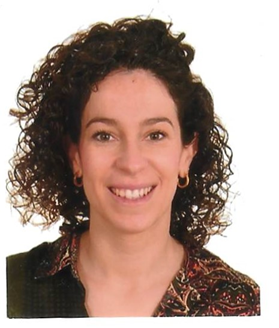
Universidad de Málaga, Spain
Sandra González Gallardo (Sandra González-Gallardo) is an Assistant Professor at the Department of Mathematical Analysis, Statistics and Operations Research, and Applied Mathematics, of the University of Málaga (Spain). She obtained her Bachelor’s degree in Mathematics in 2016 and Master’s degree in Business and Economic Analysis in 2017, both from the University of Malaga. In 2020, she received her PhD in Economics and Business also at the University of Málaga, and her doctoral thesis was recognized with the PhD Extraordinary Award of the Doctoral Program in Economics and Business, in 2020-2021. She is a researcher in the field of Operations Research, more specifically, in Multiobjective Optimization and Multiple Criteria Decision Making. Her research primarily centers on exploring, analyzing, developing, and implementing interactive approaches to address multiobjective optimization problems. Most of the methods she has introduced and investigated rely on reference points and utilize evolutionary algorithms to tackle multiobjective optimization challenges. In parallel, she has also conducted research on the use of statistical and econometric techniques combined with multiobjective optimization to analyze real socioeconomic issues related to education, sustainability and poverty.
Speech: Evolutionary Multiobjective Optimization Algorithms: Current trends based on preferences
Keynote Speakers LADC
Henrique Madeira
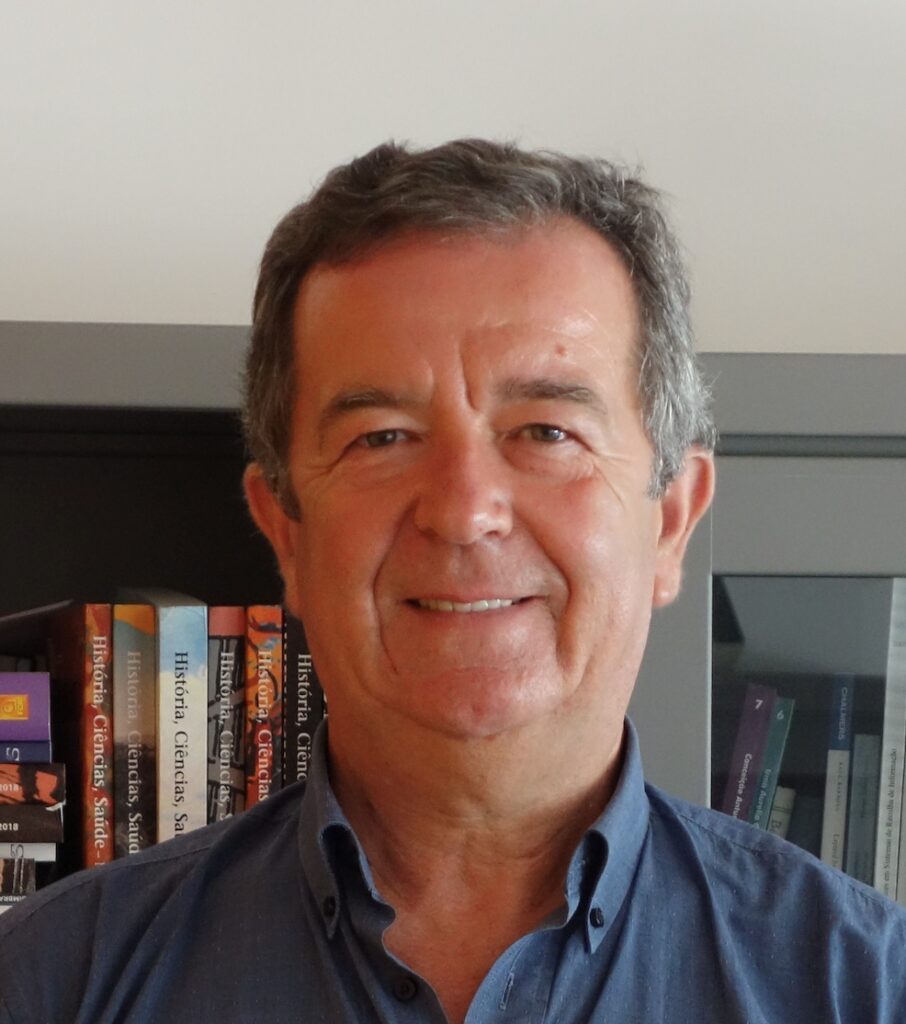
University of Coimbra, Portugal
Henrique Madeira is a Full Professor at the University of Coimbra, Portugal, where he has been conducting research in dependable computing since 1989. His research interests include software quality and reliability, experimental evaluation and benchmarking of dependability and security, and fault injection techniques. His recent projects focus on two main directions: (a) assured AI, addressing safety and security guarantees in critical applications that use AI, and (b) human factors in software engineering, particularly the use of biometrics and AI to improve software quality. He has coordinated or participated in more than 30 large scale research projects funded by the European Commission and the Portuguese Science Foundation. He is currently Director of CISUC (Centre for Informatics and Systems of the University of Coimbra), which includes 80 PhD researchers and around 200 PhD students. Henrique Madeira was also co-founder of the company Critical Software, S.A. (www.criticalsoftware.com).
Speech: Tales of Dependability and Software Reliability in the Age of AI Vibes
Cristina Meinhardt
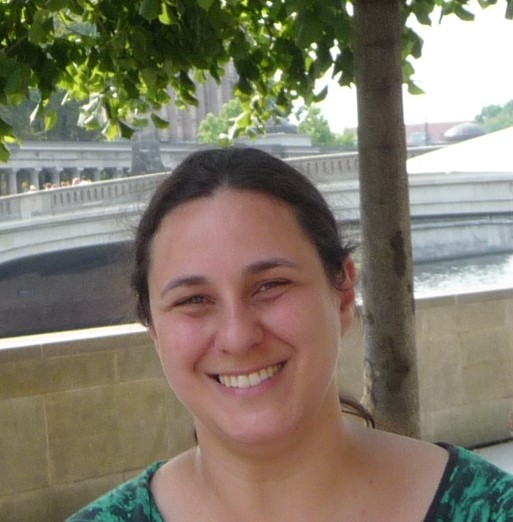
Federal University of Santa Catarina, Brazil
Cristina is Adjunct Professor at Federal University of Santa Catarina – UFSC. She holds a degree in Computer Engineering from the Federal University of Rio Grande (FURG), a Master’s and a PhD in Computer Science from the Federal University of Rio Grande do Sul (UFRGS). She develops research in the areas of computational systems architectures, microelectronics, nanotechnology, embedded systems and development of EDA tools, with the main focus in the area of mitigation of the effects of variability and radiation faults. She is a senior Member of IEEE and member of IEEE CASS, SBC and SBMicro.
Speech: The Nanoscale Reliability Challenge: Designing Robust Systems from Unreliable Components
Pierre Sutra
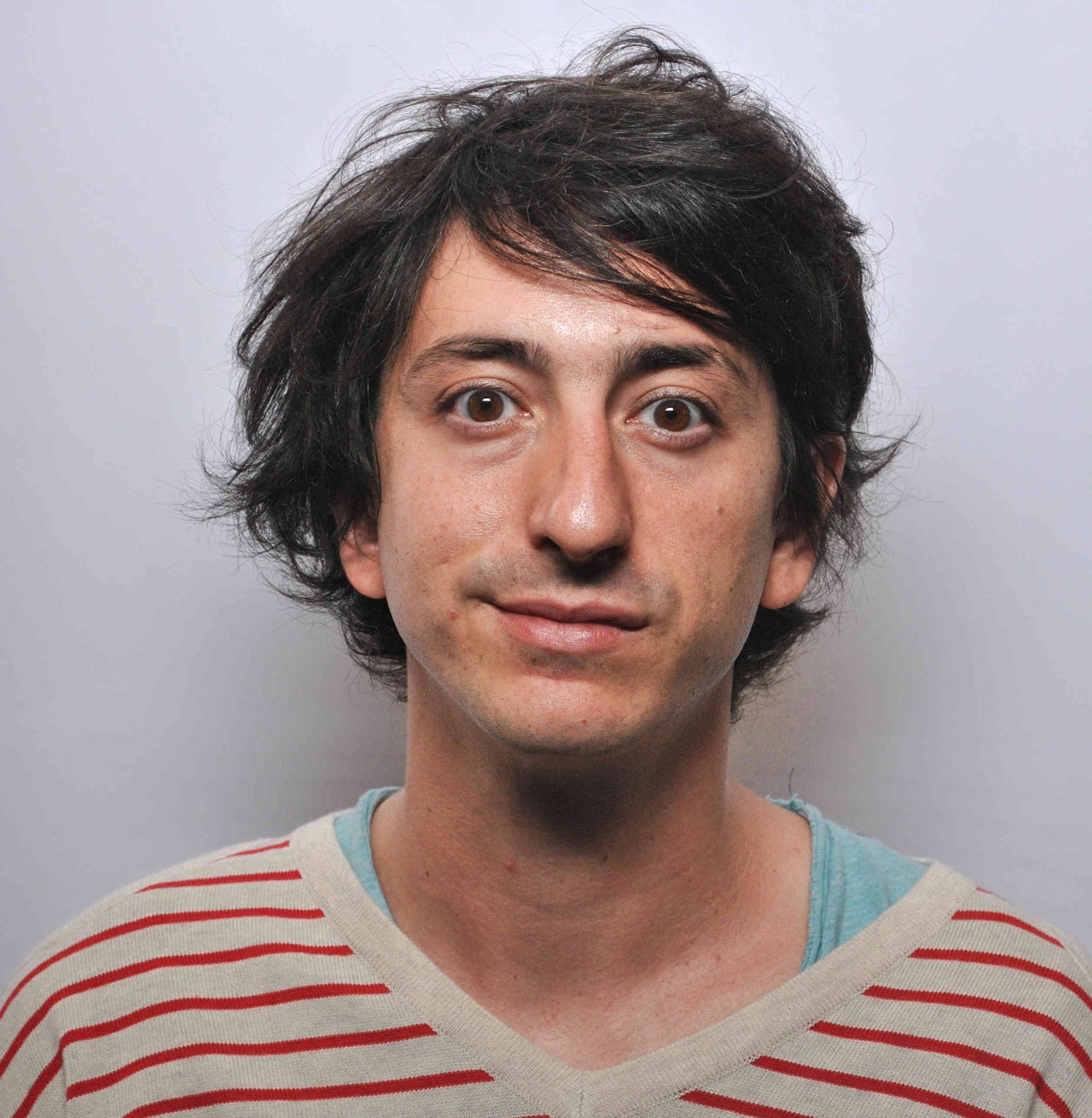
Télécom SudParis, France
Pierre has been a Professor in the Computer Science Department of Télécom SudParis since October 2015. Previously, he was junior researcher at the University of Neuchâtel, post-doc in the Regal team-project at INRIA, and research assistant at UPEM. In 2023, Pierre was a visiting researcher at IMDEA Software Institute, and also spent some time working for Informal Systems. Pierre holds a PhD from UPMC (2010). He works on the theory and practice of distributed systems, in particular cloud, storage, and data processing systems.
Speech: Modern Techniques for Data Availability and Durability